
What is Sepsis?
Sepsis is the body’s extreme reaction to an untreated infection. It is a life-threatening emergency. The body attacks its own organs and tissues, which can lead to tissue damage, organ failure, and death. However, sepsis can be treated with antibiotics and fluids if diagnosed early.
Each year, about 1.7 million adults and more than 18,000 children in the U.S. develop sepsis. At least 350,000 adults and more than 1,800 children who develop sepsis die during their hospitalization or are discharged to hospice. Sepsis is the most expensive condition treated in U.S. hospitals.
A recent study found that, globally, there were an estimated 166 million sepsis cases and 21.4 million all-cause sepsis-related deaths in 2021, representing 31.5% of total global deaths that year.
Rapid diagnosis and treatment can prevent up to 80 percent of fatalities.
Symptoms of Sepsis.
The symptoms of sepsis can vary depending on the stage of the condition and the underlying cause, but some common signs and symptoms may include:
- Fever or low body temperature
- Rapid heart rate or breathing
- Confusion or disorientation
- Extreme fatigue or weakness
- Chills or shivering
- Reduced urine output
- Abdominal pain, nausea or vomiting
- Skin rash or discoloration
- Difficulty breathing
- Low blood pressure
- Elevated white blood cell count
- Elevated lactate levels
If you detect even a few of these symptoms, seek medical help immediately and ask, “could it be sepsis?”
Visit our Resources page for a variety of materials you can share to help build awareness of sepsis and its signs.
Causes.
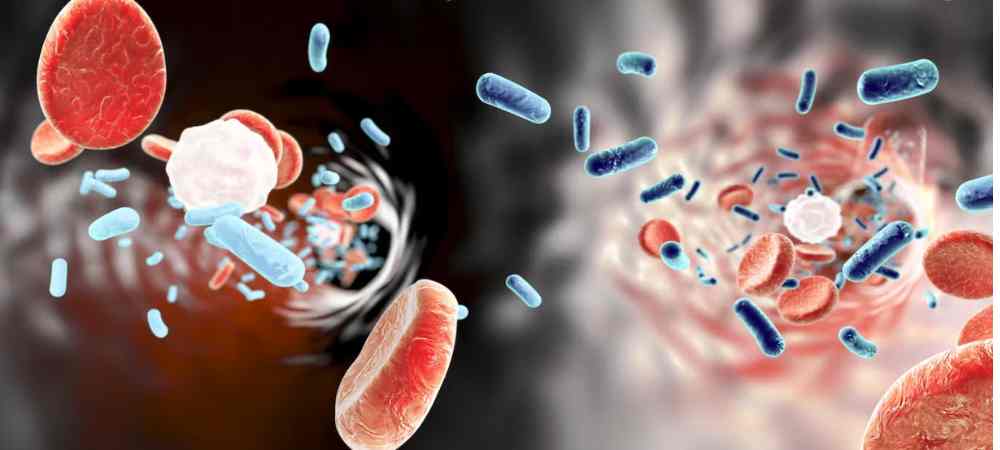
Sepsis and septic shock occur when an unidentified or untreated infection spreads to the bloodstream.
Infections in wounds, including cuts and scrapes, urinary tract infections, dental and post-operative infections, influenza, COVID-19, measles, viral infections, Streptococcus pyogenes (also known as group A streptococcus or “strep A”), and toxic shock syndrome can all lead to sepsis.
Risk Factors.
Sepsis can impact anyone–young or old, sick or healthy. The greatest risk factor is infection. Those with increased risk of infection include:
- People with chronic illnesses such as diabetes
- Those with weakened immune systems
- The elderly
- Infants
- Children
- Pregnant people
Diagnosis.
Sepsis is diagnosed by a medical professional following a physical examination, evaluation of medical history and blood tests.
Treatment.
Sepsis is a medical emergency. Early diagnosis and treatment significantly increase one’s chances of survival. Sepsis is treated with antibiotics and IV fluids. In most cases, broad-spectrum antibiotics will be administered. Once blood tests have been performed, antibiotics that target the particular strain of bacterium responsible for the infection may be used.
Prevention.
The risk of developing sepsis can be reduced by practicing good hygiene, including washing hands regularly, caring for even minor cuts and scrapes using basic first aid techniques (especially keeping wounds clean), and by staying up to date on vaccinations.
Michael Dowling

“The bulk of mortality in a hospital system comes from sepsis. It’s not good enough to have any percentage of infection. It has to be zero.“
